
Asking for help/Access to mental Health Supports-Breaking the Stigma One Story at a Time
Developed by PUBH 803 Group 6 students (Somtochukwu Anyanyo, Franscisca Asare, Fateme Askarian) for a Health Promotion Assignment (in collaboration with Student Wellness Centre)
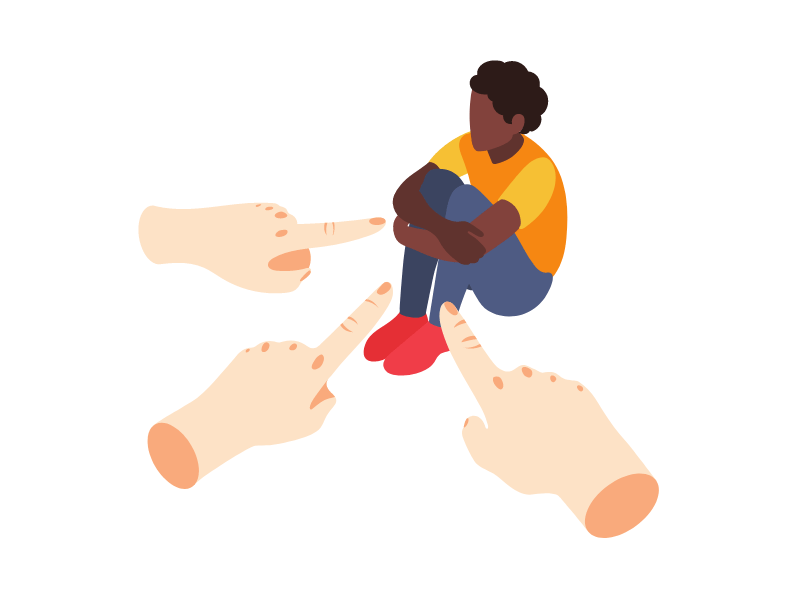

Why do we treat mental health as if its not important? Why do we tell someone in grief that they’re “just overthinking”? Why do we label people with mental illnesses as “crazy”? And why do we assume that those who seek help from a psychologist, psychiatrist, or therapist are somehow irrational?

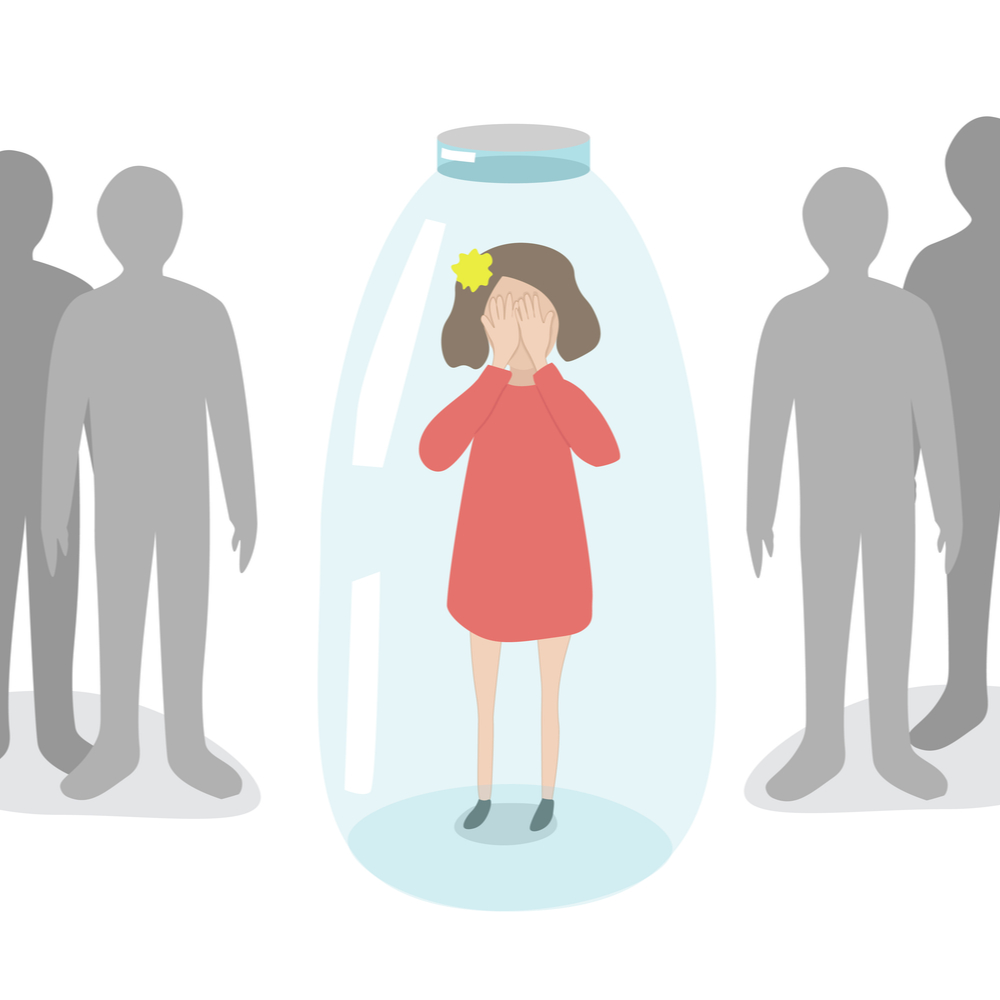
It’s time we move past thse stereotypes and recognize that mental health is just as crucial as physical health, even though it doesn’t involve visible wounds or measurable biological causes. Think about it – when you have a stomachache, you visit a doctor, when there’s an issue with your eyes, you see an ophthalmologist, and for heart problems, you got to a cardiologist. Similarly, for mental health issues, you turn to a psychiatrist, psychologist, or therapist. While the mind can’t be seen or weighed, it can still be treated. If your mind isn’t functioning well, you can’t expect your body to function properly either.
The pain caused by mental and physical illness can be equally overwhelming, yet few people truly understand this. It’s ironic when our grandparents claim that in ‘their’ time, no one had depression or anxiety, and accuse millenials of being dramatic. The truth is, mental health wasn’t taken seriously back then, and people were often too ashamed to discuss it. Additionally, many of the issues we face today are the consequences of problems that began decades ago.
We have no idea what emotions might be hidden behind someone’s smile, yet we’re often quick to judge. We don’t know what that person has been through or is currently facing, but we still jump to conclusions. Is this wrong? Absolutely.
There are many types of mental illness, and if someone is struggling with one, it doesn’t mean they’re “crazy”. Their internal wounds can be so deep that no one on the outside can fully grasp them. These struggles are often misunderstood, especially the severity of the situation. People suffering from depression, anxiety, or other mental health disorders sometimes take their own lives to escape their pain. Globally, about 800,000 people die by suicide each year.
Many young actors battling depression or students overwhelmed by academic pressure take their own lives because they feel their efforts are meaningless. Recently, a well-known indian actor died by suicide due to depression, prompting a surge of social media posts highlighting the importance of mental health. My question is, why does it take someone’s death for people to recognize how crucial mental health is? Our focus should be on saving lives, not losing them.
We play a significant role in the lives of those around us. But have we ever taken the time to sit down with our family or friends to talk about our mental health? Often, we haven’t, because stereotypes like “having a mental health issue means i’ll be labeled as mad or crazy” prevent us from adressing these serious topics.
Friends, it’s time to reflect on our own lives and encourage others to do the same. Identify the issues and work on improving them. Mental health becomes a problem when it’s neglected and stigmatized, but we have the power to remove that stigma and discard it.
5 Effective Ways to Challenge the Stigma Surrounding Mental Health

Around one in five Canadians experience mental illness each year, making it crucial to work together to eliminate the stigma surrounding mental health. Whether it’s the fear of being judged for seeking therapy or the inability to talk openly about personal struggles, this stigma persists.
Many still see mental health struggles as a sign of weakness, leading to negative perceptions of therapy or treatment. In reality, mental health issues are widespread, and acknowledging the need for help is both courageous and necessary for mental wellness.
The stigma around mental illness can limit access to healthcare, cause social isolation, and make it hard to speak up about personal challenges, leading to greater feelings of isolation and hopelessness. Therapy is a valuable tool for improving mental health.
Hints and Strategies for Reducing the Stigma around Mental Illness
- Educate yourself on Mental Health: Raising awareness is one of the most powerful ways to challenge the negative stereotypes surrounding mental health issues. This involves learning about different mental health conditions, their associated symptoms, and the available treatment options. By increasing your own understanding, you can help reduce the fear and confusion that often accompany discussions around mental health.
- Share your Experiences: Speaking openly about your personal experiences with mental health is another way to help break the stigma. This can contribute to normalizing conversations around mental health and encourage others to speak up as well.
- Use Inclusive Language: When discussing mental health, it’s important to use language that is inclusive and respectful. Avoiding words or phrases that stigmatize or stereotype mental health can help create a more supportive and welcoming environment for those who are struggling.
- Support Mental Health Programs: You can support mental health initiatives in your community or workplace by advocating for mental health policies, donating to organizations that promote mental health, or participating in events that raise awareness of mental health issues.
- Normalize Seeking Help: Encourage open discussions about mental health treatment. Support individuals in seeking care when they need it, and share information about mental health services available in your community.
Where to Find Information and Support
There are many resources and support options available to help you or someone you know manage mental health concerns. Here are a few examples:
The Canadian Mental Health Association (CMHA) offers a range of mental health services, including therapy, support groups, and educational materials.
Talk Suicide Canada provides 24/7 crisis support throughout the year.
The Employee Assistance Program (EAP) offers round-the-clock mental health support. Check with your employer for details on the services available to you and your family.
4 responses to “”
-
This is a very interesting topic to dissect. I believe many, not just the millennials are living in denial. Hopefully the affected population gets help and we can be of immense help in reducing the stigma that comes with it.
LikeLike
-
Thank you for writing this powerful and important piece about mental health stigma. I especially appreciated how you drew that clear parallel between physical and mental healthcare – it really drives home the point that both deserve equal attention and respect. Your observation about how we only seem to discuss mental health after tragedies is particularly striking and something we need to change as a society. The practical strategies you’ve outlined for reducing stigma are incredibly helpful, especially the emphasis on education and using inclusive language. I think many readers will find the resource list at the end valuable too. Your writing reminds us that we all have a role to play in creating a more understanding and supportive environment for mental health discussions. Looking forward to reading more of your insights on this topic!
-
Mental health is an aspect of health I feel is given lesser attention. There is a great need to create more awareness about mental health and the need to shun stigmatization of people living with mental health challenges. I am really happy seeing this post that is aimed at addressing the need to prioritize mental health just as physical health. This post is very educating
LikeLike


Contact us
Welcome to a world of limitless possibilities, where the journey is as exhilarating as the destination, and where every moment is an opportunity to make your mark on the canvas of existence. The only limit is the extent of your imagination.
Your message has been sent

Breaking the Stigma
Together, we inspire diverse communities to be inclusive, compassionate, and empowered to lead fulfilling lives regardless of their challenges.
Your message has been sent
Designed with WordPress
 Breaking the Stigma
Leave a reply to Russell Mba Cancel reply