By
PUBH 803 Group 6 students (Somtochukwu Anyanyo, Franscisca Asare, Fateme Askarian) for a Health Promotion Assignment (in collaboration with Student Wellness Centre)
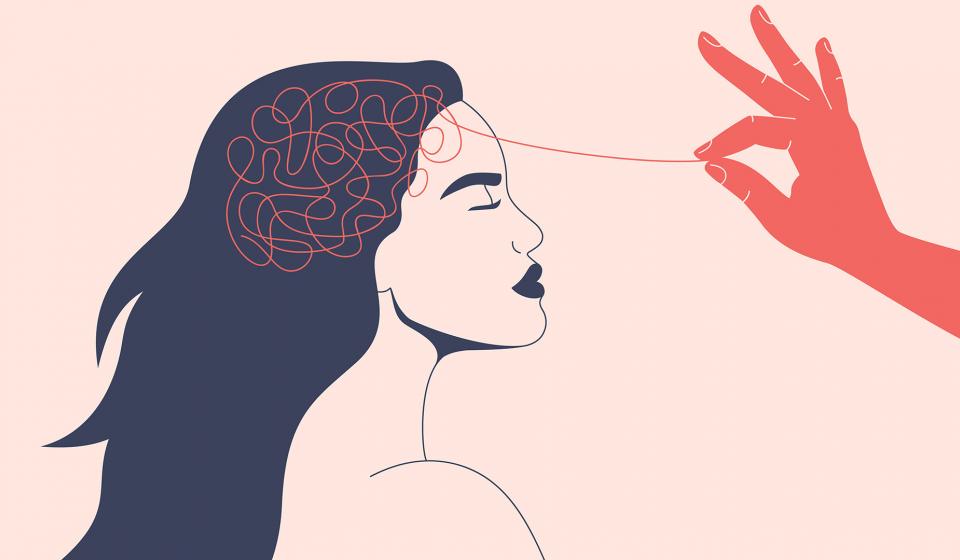
Mental health has recently become a buzzword and a major global topic. New campaigns are emerging everywhere, and suddenly, there is a surge in awareness efforts. I believe that the COVID-19 pandemic has played a role in this shift, bringing many previously hidden issues to light. The pandemic led to increased feelings of loneliness, isolation, and even depression for many. However, struggles with mental health and mental disorder diagnoses are not new phenomena.
Mental health stigma involves prejudice against individuals with mental illnesses. According to the American Psychiatric Association, stigma can be categorized into three types: public stigma, self-stigma, and institutional stigma. Public stigma encompasses society’s negative attitudes toward people with mental illness. When individuals internalize these attitudes, they experience self-stigma. Institutional stigma is systemic, manifesting in laws or policies from governments or organizations that, whether intentional or not, discriminate against those with mental illnesses. A clear example is the unequal insurance coverage for psychiatric treatment compared to other medical treatments.
Understanding various mental health disorders is vital for fostering a supportive and caring academic environment. Therefore, education and increased mental health literacy are essential steps toward reducing stigma within university communities. It is crucial to offer support and counseling so that both staff and students can share their experiences in a safe space. Ideally, everyone in academia should have access to someone they trust or receive timely therapeutic support from a psychologist, without facing long waiting periods of weeks or even months. These initiatives will not only promote a healthier work environment and reduce the stigma of mental health and disorders in academia but could also be life-saving for both students and staff.
I’ve observed that international students, in particular, are often unaware of local suicide prevention and awareness organizations that provide support through chat or phone calls. It’s essential for all staff and students to have clear and easy access to available resources, with training offered in English and, where possible, other languages relevant to the region. I believe that suicide prevention workshops should be available to both staff and students at every university. Reducing the stigma around suicide and increasing awareness and information about prevention can be life-saving.
Despite ongoing challenges, the progress in reducing mental health stigma is encouraging. Each of us has a role to play. Just as with other forms of prejudice, it’s crucial to speak up when we encounter misinformation or negative comments about mental illness. We can also support organizations dedicated to fighting stigma, like Bring Change to Mind, Stamp Out Stigma, and Make it Okay. Educating ourselves and others about the realities of mental illness is equally important. Mental illness is a societal issue, influenced by how society either alleviates or exacerbates its impact on individuals. Therefore, it’s our collective responsibility to reduce stigma and improve the lives of those affected by mental illness.
Change in academia is possible, and it can be accomplished through teamwork. I hope we can unite in creating a stigma-free world where everyone feels valued and can authentically be themselves.


 Breaking the Stigma
Leave a reply to Ndukwe Chiemena Cancel reply